Rejuvenate Mind and Body with Meditation Programs
- prakasa wellness
- Nov 20, 2025
- 4 min read

In a world that often feels chaotic and overwhelming, finding a moment of peace can seem impossible. The demands of daily life can leave us feeling drained, both mentally and physically. This is where meditation programs come into play, offering a sanctuary for the mind and body. By incorporating meditation into your routine, you can experience profound benefits that rejuvenate your entire being.
Understanding Meditation
Meditation is more than just a practice; it is a journey towards self-discovery and inner peace. At its core, meditation involves focusing the mind and eliminating distractions. This can be achieved through various techniques, including mindfulness, guided imagery, and breathing exercises.
Types of Meditation
Mindfulness Meditation
This practice encourages you to focus on the present moment, observing thoughts and feelings without judgment. It helps in reducing stress and enhancing emotional regulation.
Guided Meditation
In this form, a narrator or teacher guides you through the meditation process, often using imagery and visualization techniques. This is particularly beneficial for beginners.
Transcendental Meditation
This technique involves silently repeating a mantra to settle the mind into a state of profound rest and relaxation. It is known for its ability to reduce anxiety and improve overall well-being.
Loving-Kindness Meditation
This practice focuses on developing an attitude of love and kindness towards oneself and others. It can significantly enhance feelings of compassion and empathy.
Benefits of Meditation
The benefits of meditation extend far beyond mere relaxation. Research has shown that regular practice can lead to significant improvements in both mental and physical health.
Mental Health Benefits
Reduced Stress
Meditation helps lower cortisol levels, the hormone associated with stress. This can lead to a calmer mind and a more balanced emotional state.
Improved Focus and Concentration
Regular meditation enhances cognitive function, allowing for better focus and attention. This is particularly beneficial in today’s fast-paced environment.
Enhanced Emotional Well-Being
Practicing meditation can lead to increased feelings of happiness and contentment, reducing symptoms of anxiety and depression.
Physical Health Benefits
Lower Blood Pressure
Meditation has been shown to help lower blood pressure, reducing the risk of heart disease.
Improved Sleep Quality
Many individuals find that meditation helps them fall asleep faster and enjoy deeper, more restorative sleep.
Pain Management
Studies suggest that meditation can help manage chronic pain by altering the perception of pain in the brain.
How to Get Started with Meditation
Starting a meditation practice can feel daunting, but it doesn’t have to be. Here are some simple steps to help you begin your journey:
Set Aside Time
Choose a specific time each day to meditate. Even just 5-10 minutes can make a difference.
Find a Quiet Space
Select a calm environment where you won’t be disturbed. This could be a corner of your home, a park, or any place that feels peaceful.
Choose a Comfortable Position
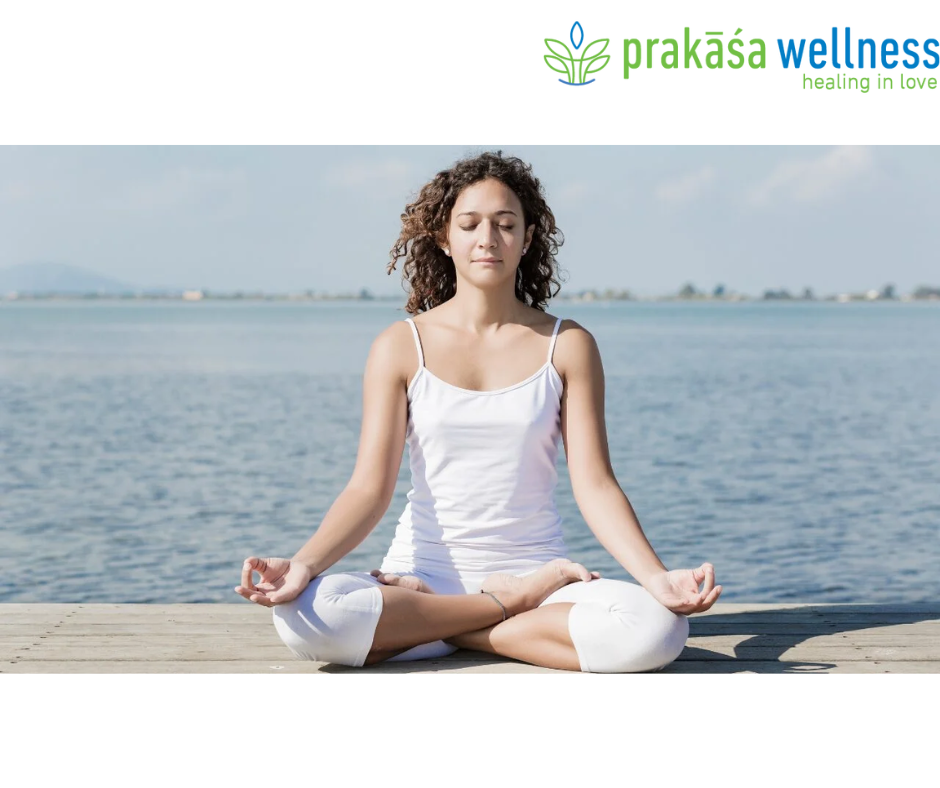
You can sit on a chair, cushion, or even lie down. The key is to be comfortable yet alert.
Focus on Your Breath
Begin by taking deep breaths, focusing on the sensation of the air entering and leaving your body. If your mind wanders, gently bring your focus back to your breath.
Use Guided Resources
Consider using apps or online videos that offer guided meditations. These can provide structure and support as you develop your practice.

Incorporating Meditation into Your Daily Routine
To truly reap the benefits of meditation, it’s essential to make it a regular part of your life. Here are some tips for incorporating meditation into your daily routine:
Morning Ritual
Start your day with a short meditation session. This can set a positive tone for the day ahead.
Mindful Breaks
Take short breaks throughout the day to practice mindfulness. Even a few minutes of focused breathing can help reset your mind.
Evening Wind Down
End your day with a calming meditation to help you relax and prepare for sleep.
Meditation Programs and Resources
If you’re looking for structured guidance, many meditation programs are available, both online and in-person. Here are a few popular options:
Headspace
This app offers a variety of guided meditations tailored to different needs, such as stress relief, sleep, and focus.
Calm
Calm provides a wide range of meditation sessions, sleep stories, and soothing music to help you relax.
Insight Timer
This free app features thousands of guided meditations from various teachers, allowing you to explore different styles and techniques.
Local Classes
Check for meditation classes or workshops in your area. Many yoga studios and wellness centers offer sessions for beginners.
Overcoming Common Challenges
Starting a meditation practice can come with its own set of challenges. Here are some common obstacles and how to overcome them:
Restlessness
It’s normal to feel restless when you first start meditating. Try to acknowledge these feelings without judgment and gently bring your focus back to your breath.
Time Constraints
If you feel you don’t have enough time, remember that even a few minutes can be beneficial. Start small and gradually increase your practice as you become more comfortable.
Difficulty Concentrating
If your mind wanders frequently, consider using guided meditations or focusing on a mantra to help maintain your concentration.
The Long-Term Impact of Meditation
As you continue your meditation journey, you may begin to notice profound changes in your life. Many practitioners report increased resilience to stress, improved relationships, and a greater sense of purpose.
Building a Community
Engaging with others who practice meditation can enhance your experience. Consider joining local meditation groups or online forums to share insights and support one another.
Continuing Education
The world of meditation is vast, with many techniques and philosophies to explore. Consider reading books, attending workshops, or taking courses to deepen your understanding and practice.
Final Thoughts
Meditation is a powerful tool for rejuvenating both the mind and body. By incorporating meditation programs into your daily routine, you can cultivate a sense of peace and well-being that permeates every aspect of your life.
Take the first step today by setting aside just a few minutes for yourself. Remember, the journey of a thousand miles begins with a single step. Embrace the practice of meditation and discover the transformative effects it can have on your life.
Whether you are seeking stress relief, improved focus, or a deeper connection to yourself, meditation offers a pathway to a more balanced and fulfilling life. Start your journey today and experience the rejuvenating power of meditation.


Comments