How Wellness Workshops Boost Mental Clarity and Lower Stress Levels
- prakasa wellness
- Nov 20, 2025
- 2 min read

Introduction
In today’s fast-paced world, many people struggle with mental overload and constant stress. Wellness workshops have emerged as an effective way to help individuals reset, refocus, and regain control of their mental well-being. Through structured activities, guided practices, and expert insights, these workshops offer practical tools to calm the mind and improve clarity.

Understanding the Role of Wellness Workshops
Wellness workshops are designed to support participants in enhancing both emotional and mental health. They often include activities such as mindfulness training, breathwork, relaxation exercises, and discussions on healthy lifestyle habits. These sessions help individuals become more self-aware, reduce mental clutter, and develop a healthier relationship with stress.
1. Encouraging Mindfulness and Presence
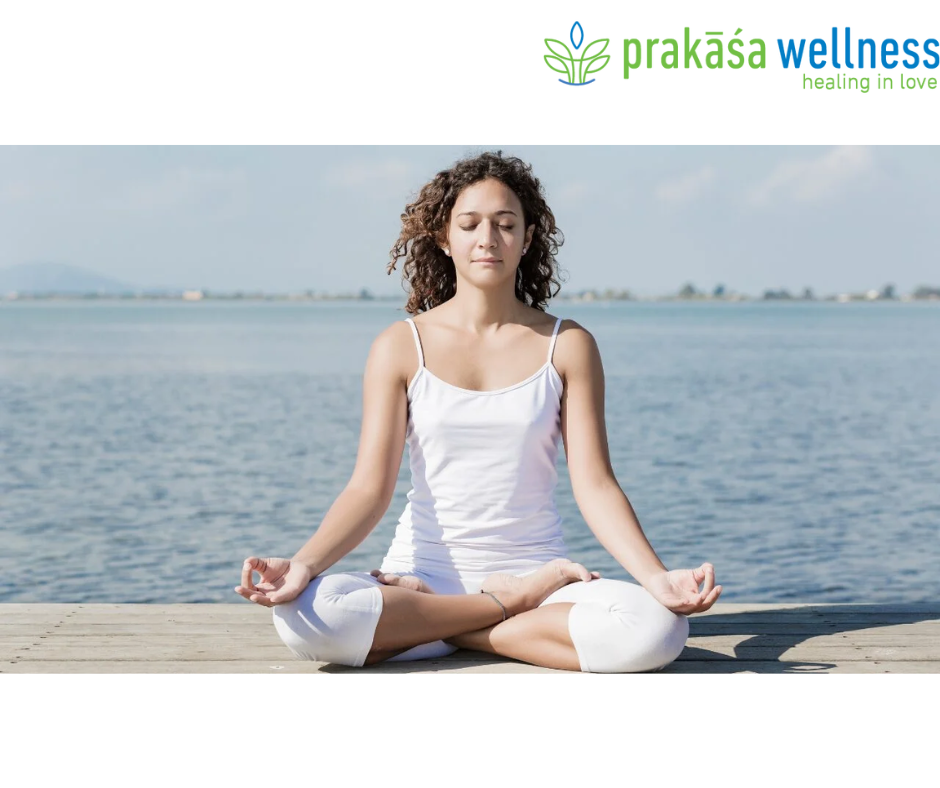
Mindfulness exercises are a core part of many wellness workshops. Participants learn how to become more present, reduce distractions, and observe thoughts without judgment. This helps quiet the mind and improve clarity throughout the day, making it easier to focus and make better decisions.
2. Breathwork for Instant Stress Relief
Breathing techniques taught in wellness workshops help regulate the nervous system and reduce tension. Practices like deep breathing, box breathing, and alternate nostril breathing calm the mind quickly and effectively. These simple tools can be used anywhere, helping participants manage stress even after the workshop ends.
3. Relaxation and Guided Meditation Sessions
Guided meditation helps release psychological stress and mental fatigue. Regular exposure to meditation during wellness workshops improves emotional balance and reduces anxiety. Over time, this leads to clearer thinking, improved awareness, and a more centered state of mind.
4. Movement for Improving Mental Energy
Light physical activities such as yoga, stretching, or mobility exercises included in workshops help increase blood circulation and reduce stiffness. Physical movement boosts mental energy, enhances mood, and improves overall brain function—leading to better clarity and concentration.
5. Stress-Management Techniques for Daily Life
Wellness workshops equip individuals with practical strategies for managing stress in everyday situations. These may include journaling, time-management tips, habit-building techniques, and lifestyle guidance. With these tools, participants feel more prepared to handle pressure and stay mentally balanced.
Long-Term Benefits of Wellness Workshops
Regular participation in wellness workshops leads to lasting improvements. People experience better focus, clearer thinking, emotional stability, and reduced stress levels. They also develop healthier coping mechanisms, enabling them to navigate challenges more confidently and peacefully.
Conclusion
Wellness workshops offer more than relaxation—they empower individuals with skills that promote long-term mental clarity and stress reduction. By combining mindfulness, breathwork, movement, and practical life tools, these workshops create meaningful changes in how people think, feel, and respond to stress. Whether attended individually or through the workplace, wellness workshops help build a calmer, more focused, and emotionally resilient mindset.


Comments